
An oasis at the edge of nowhere

Siwa.
An island of palms in a
sea of sand.

738 km west of Cairo, 19 metres below sea level, with its own language, its own salt lake, and a way of life older than the pyramids. This is what waits beyond the gate of the house.

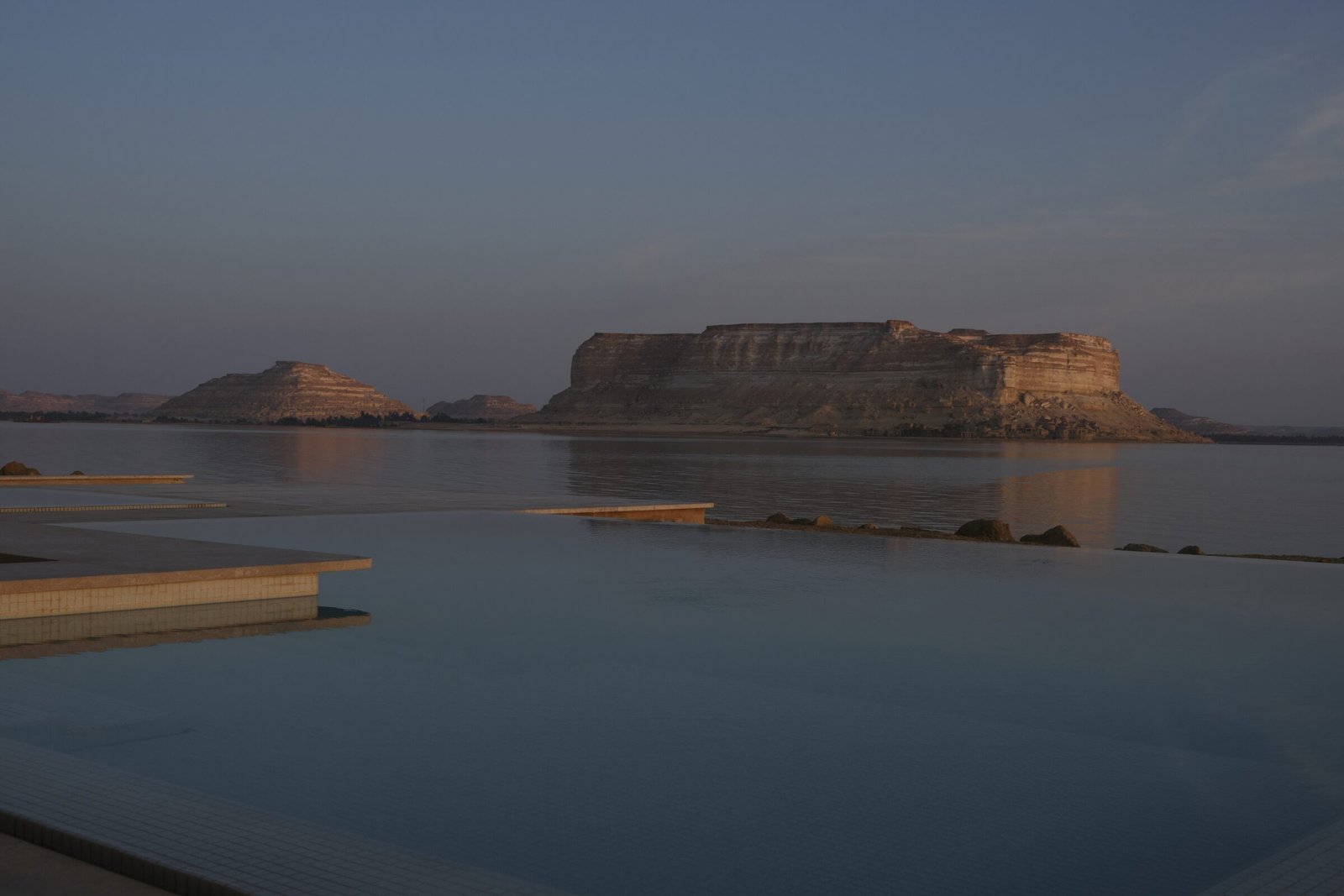
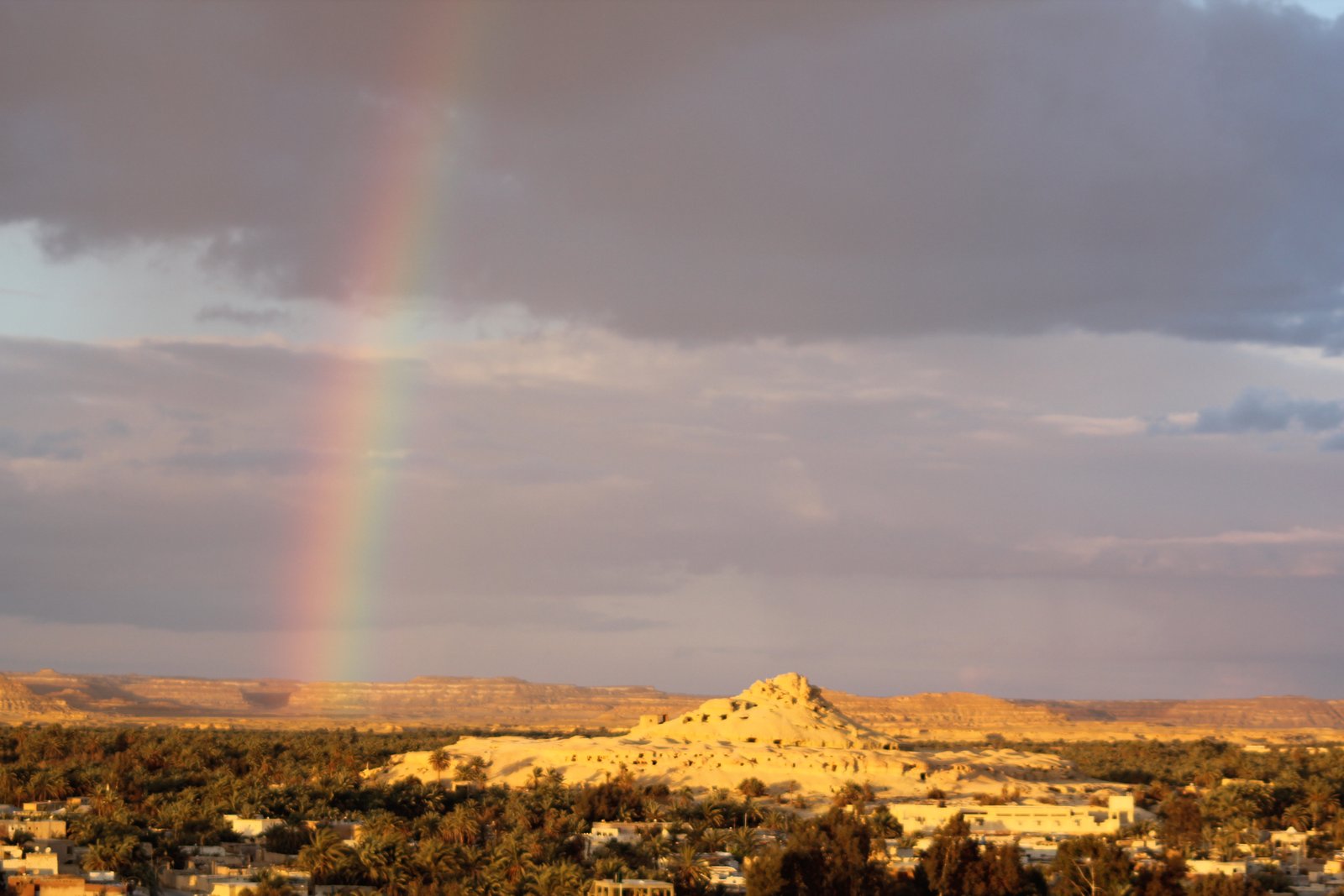
Mountain across the salt lake at dawn Gebel al-Mawta · the Mountain of the Dead, across Birket Siwa.

The place

An oasis the rest of the world forgot.

Siwa lies in a depression deep in Egypt's Western Desert — closer to the Libyan border than to Cairo. For most of its history, it was reached only by camel caravan. The first paved road arrived in 1986.

That isolation is its gift. Siwa kept its language, its mud-brick architecture, its date orchards, and a kind of calm that has all but vanished from the rest of the country. Eight days here will reset a year of city.

Within an hour of the door

Five landscapes.

From a salt lake you can float on, to a temple where Alexander the Great asked his fortune. Each one is reachable on foot, by bicycle, or by a short drive from the villa.

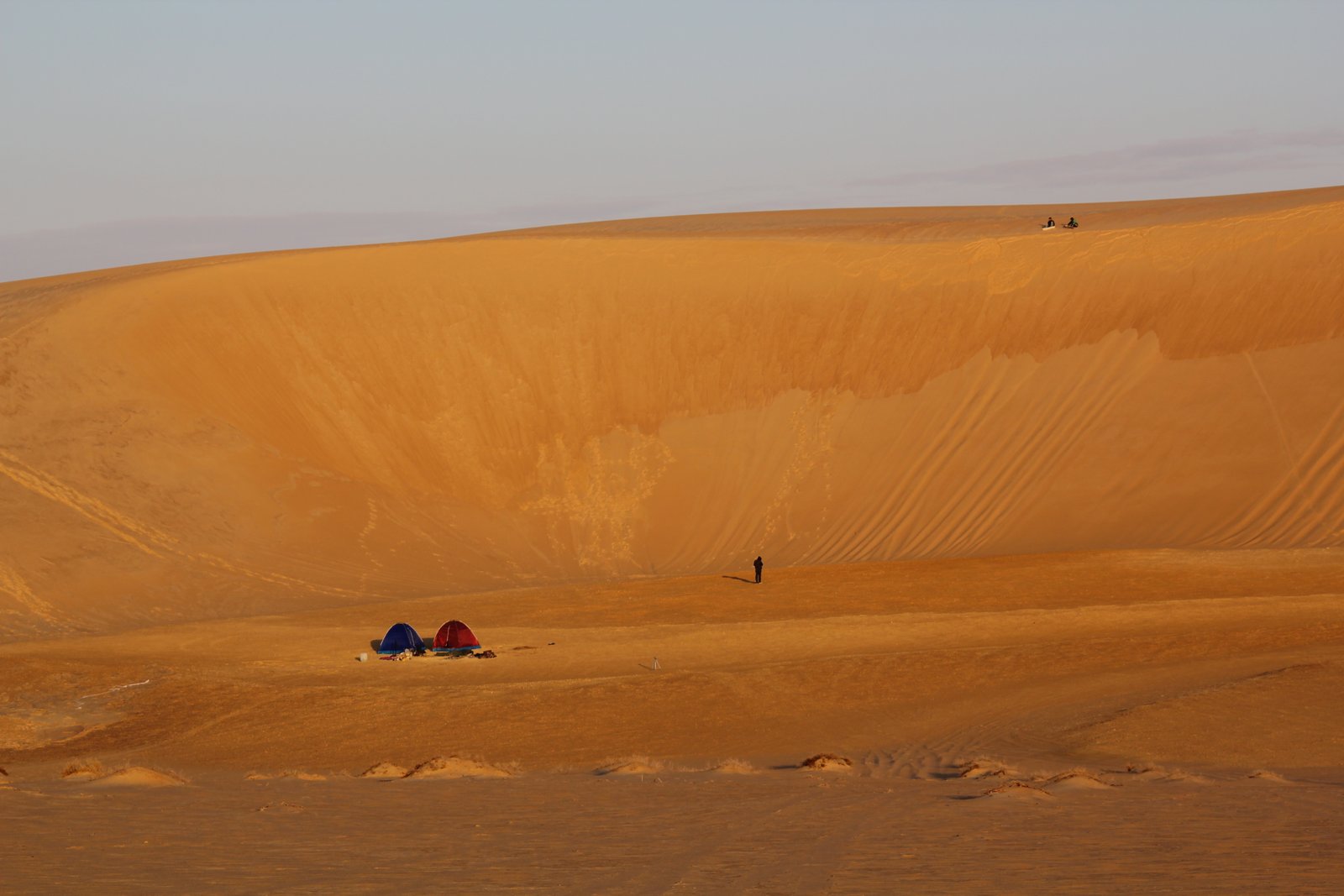
Dunes of the Great Sand Sea at dusk
01

The Great Sand Sea.

بحر الرمال العظيم

A continent of dunes that begins twenty minutes from the door and stretches all the way to the southern terraces of the house. 72,000 km² of pure, wind-carved sand, one of the largest dune fields on Earth.

Best for
Sunset · Sandboarding
Distance
20 minutes from the villa
The mirror surface of Lake Siwa at dawn
02

Birket Siwa, the salt lake.

بركة سيوة

Stretching the length of the depression, Birket Siwa is so rich in salt that you cannot sink , wade out, lean back, and the water will lift you like the Dead Sea. On still mornings the lake becomes a mirror so flat that the Mountain of the Dead on the far shore folds neatly in half. From late autumn into winter, flamingos arrive. The house has its own private stretch of shore.

Salinity
roughly seven times the ocean
Best moment
An hour before sunrise
Still spring water with palm reflection
03

Cleopatra's Spring.

عين جوبا

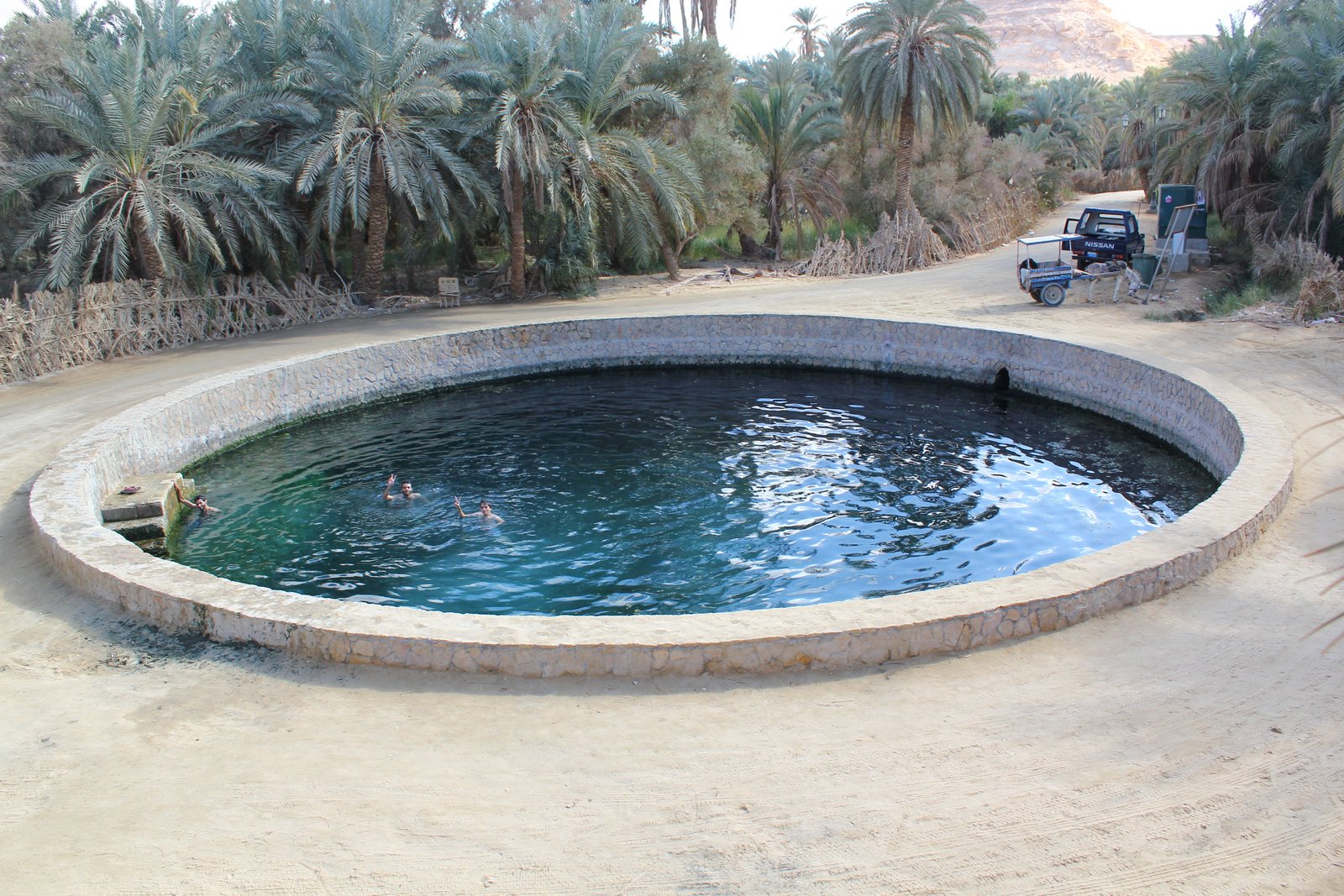
A perfect circle of clear, slightly bubbling water at the foot of a date-palm grove. Romans, Greeks, Persians, Ottomans, Berbers — every traveller in the last two thousand years has bathed here. Mineral-rich, warm in winter, cool in summer, fed from a vent so deep no one has measured it.

Water temperature
Constant ~28°C
Go at
First light, before the crowd
Walls of the Temple of the Oracle at Aghurmi
04

The Temple of the Oracle.

معبد الوحي

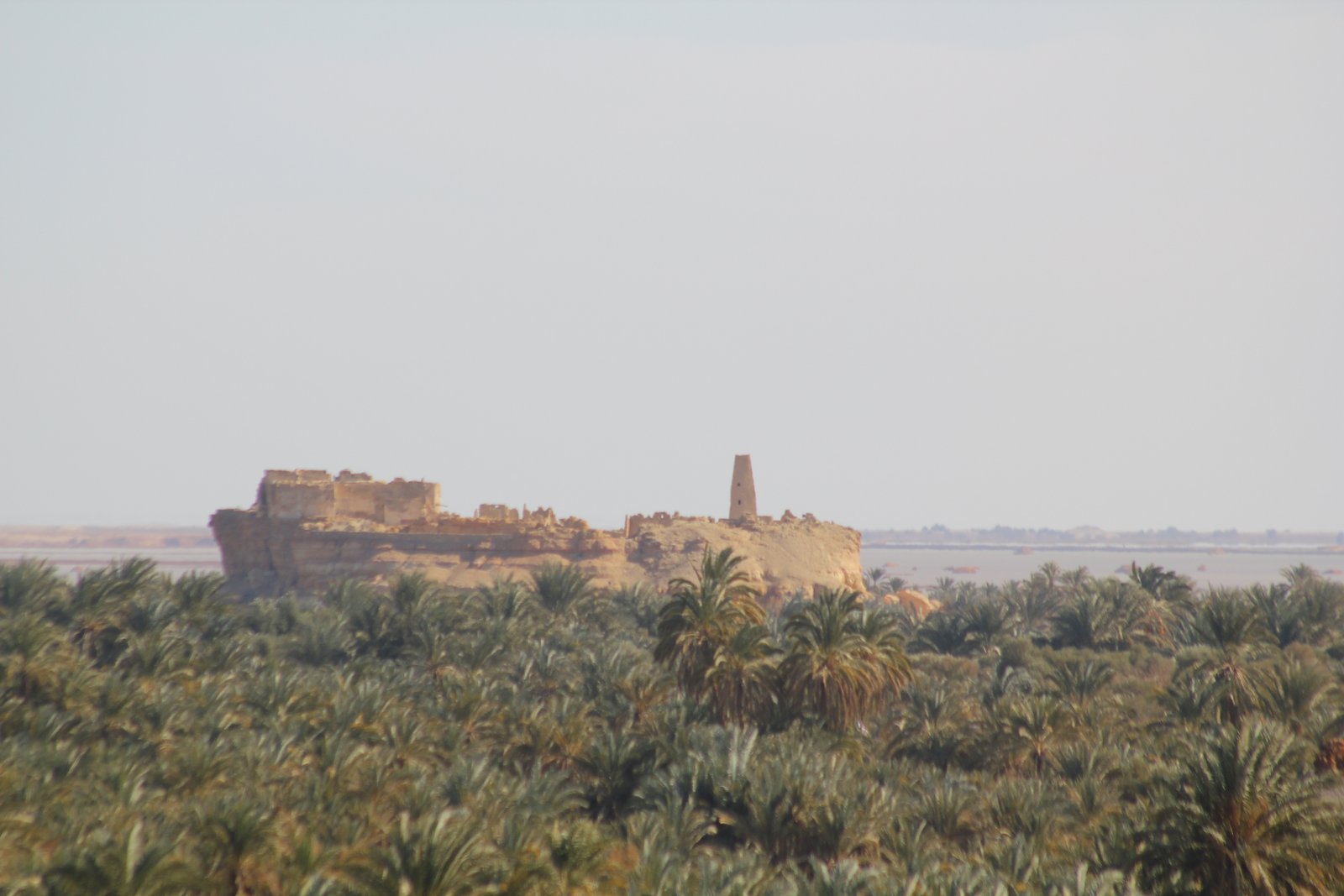
In 331 BC, Alexander the Great marched an army across the Western Desert to ask a single question of a single priest in this small limestone temple. Whatever he was told, he never repeated. The ruins still stand on a hill at Aghurmi, with a 360° view of palms, lake and dunes. Sunset is the only correct time to visit.

Built
~570 BC · 26th Dynasty
Distance
4 km east of Siwa town
Mud-brick fortress walls of Shali
05

Shali Fortress.

قلعة شالي

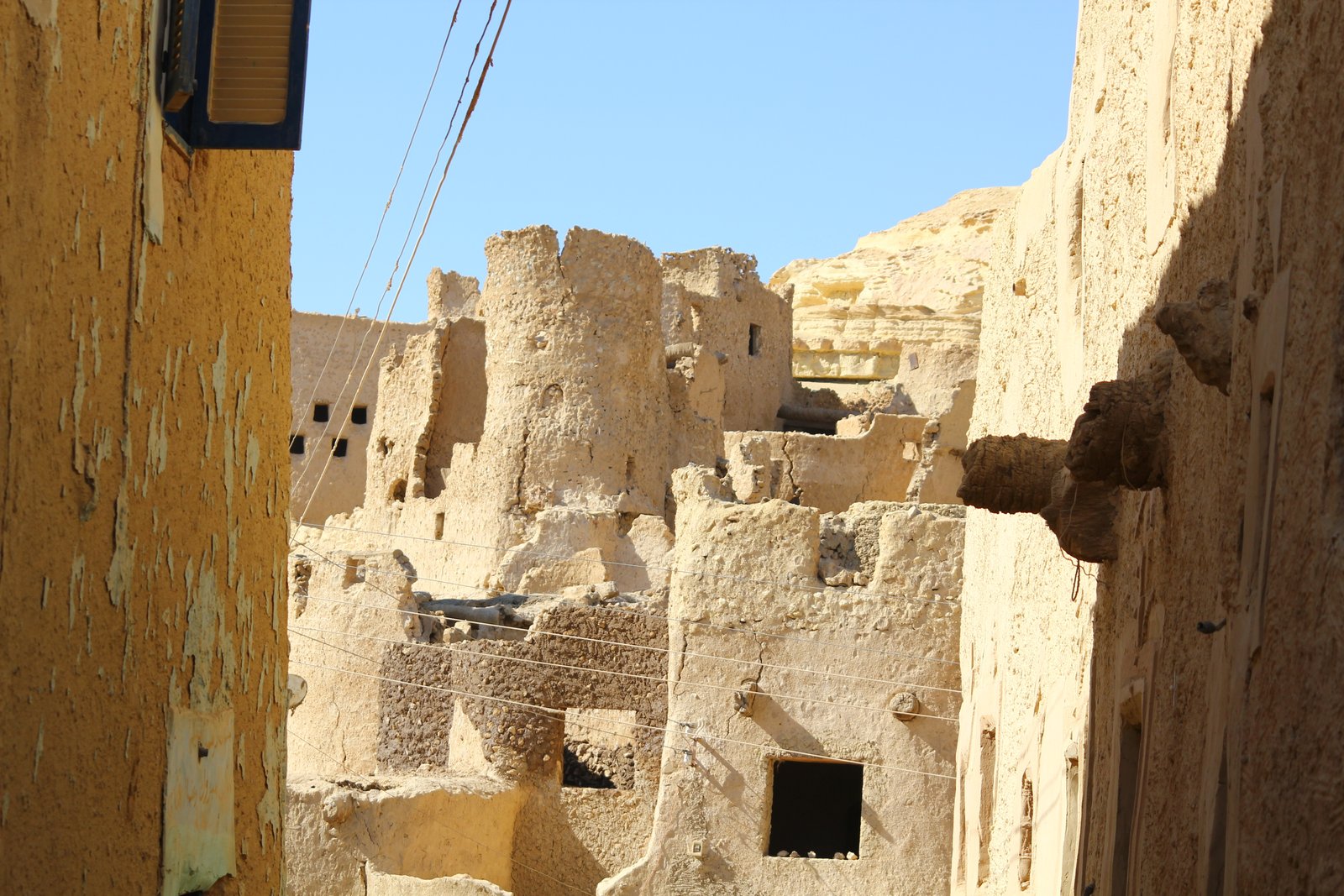
The original town of Siwa — a honey-coloured citadel of kershef (rock-salt and clay) towering above the modern village. Built in the 13th century, it housed the entire population of the oasis until a freak three-day rainstorm in 1926 melted parts of it overnight. Walk the labyrinth of narrow lanes at dusk, when the brick turns amber.

Built
13th century AD
Best moment
Dusk — walls go amber

An evening

The lake mirrors everything
— including the stars.

When to visit

A year in Siwa.

The oasis is open all year, but each season has its character. October to April is the visiting window for most travellers.

OctDate harvest

Cool, dry, the palms heavy with fruit. The most popular month.

NovOlive harvest

Crisp days, clear skies, the first cold-press oil.

DecHigh season

Cold nights (5–10°C), bright days. Best dune light of the year.

JanFlamingos

Migrating flamingos arrive on Birket Siwa. Coldest month.

FebBright stillness

Peak desert clarity — minimal haze, longest visibility.

MarSpring

Warm afternoons, cool evenings. Almonds in flower.

AprLast cool month

Light winds, full moons over the dunes. Quiet.

MayHeat begins

Thirty-five by midday. Mornings still excellent.

JunHot

40°C+. Excursions only at dawn or after sunset.

JulQuietest month

Very hot. Open, but few guests come.

AugSiyaha festival

The annual reconciliation festival — three days of shared meals.

SepCool returns

Heat breaks at last. The first dates ripen.